

You may have first seen red light therapy in a skincare routine, an athlete's recovery video, or a friend's home wellness setup. The devices look similar enough that it is tempting to assume they all do the same thing.
Your real question is probably more personal: could this help with the concern that brought you here?
Red light therapy uses selected wavelengths of light to influence biological activity, an approach often called photobiomodulation. Evidence varies by use and device. Some skin applications have encouraging human research, but broad promises about whole-body healing go beyond what any single study can establish. American Academy of Dermatology.
Start with one goal
“Does red light therapy work?” is a reasonable question, but it needs an ending. Work for what: the appearance of fine lines, a diagnosed pain condition, exercise recovery, or something else?
Write down the outcome you want in everyday language. For example: “I want to understand my options for fine lines,” or “I want help choosing a device to discuss with my physical therapist.”
That one sentence keeps a long list of possible benefits from distracting you. It also helps you recognize when a source is answering a different question from yours.
Why do researchers care about light dose
Light-based interventions involve several variables, including wavelength, power density, exposure time, and treatment timing. Research on dose response shows why greater exposure does not automatically produce a greater benefit. Huang and colleagues, 2009.
For a shopper, the implication is straightforward: a device should come with clear instructions, not simply a claim that it is powerful.
The number of LEDs or the electrical wattage alone is not a complete treatment description. Ask what the device delivers at the recommended use distance, what area it covers, and which intended uses its instructions address.
What about skin benefits
The American Academy of Dermatology describes research suggesting that red-light devices can improve some visible signs of skin aging. It also emphasizes differences between devices and studies and recommends selecting a device for the concern being treated. AAD guidance.
This is a useful way to frame expectations: a particular approach may help a particular concern, with repeated use according to its directions. That does not mean every mask, panel, or wand is equivalent.
When reading before-and-after content, ask whether the person also changed their skincare, received another procedure, or used different lighting for the photographs. A dramatic image is not a controlled comparison.
If you are considering light for a skin condition or unexplained change, start with a dermatologist. Understanding the concern comes before choosing the device.
What about pain and recovery
These are active areas of photobiomodulation research, but the relevant evidence depends on the condition and protocol. A paper about one joint, one clinical laser, or one exercise test cannot substantiate every home panel claim.
For example, the American College of Physicians includes low-level laser therapy among several nondrug options in its chronic low-back-pain guideline. That recommendation is not an endorsement of every red LED device sold for home use. ACP guideline summary.
If pain is your goal, ask a clinician which options fit your diagnosis and whether a particular device is relevant. If exercise recovery is your goal, identify the outcome you want to assess while keeping your training and recovery basics consistent.
How to read a benefit claim
What you see |
The question to ask |
|---|---|
“Clinically studied” |
Was this exact device studied, or only the general technology? |
“Supports cellular energy” |
What human outcome was measured? |
“Research-backed wavelengths” |
Were dose, distance, and protocol also comparable? |
“Visible results” |
Over what period, in whom, and compared with what? |
“FDA registered” |
Is there separate device-specific clearance or authorization? |
FDA registration is not the same as clearance or approval. The FDA provides databases for checking device status and explains the distinction on its consumer information page. FDA guidance.
These questions are useful for any brand, including ours. They help turn a vague promise into information you can evaluate.
Choose a format you can use correctly
A device that is awkward to position or difficult to understand can become a purchase you rarely use. Think about the body area, seating position, time available, and where the device will live between sessions.
Read its directions before planning a schedule. Make sure you know how to position it and which eye-protection instructions apply. Do not borrow a routine from a product with a different output or design.
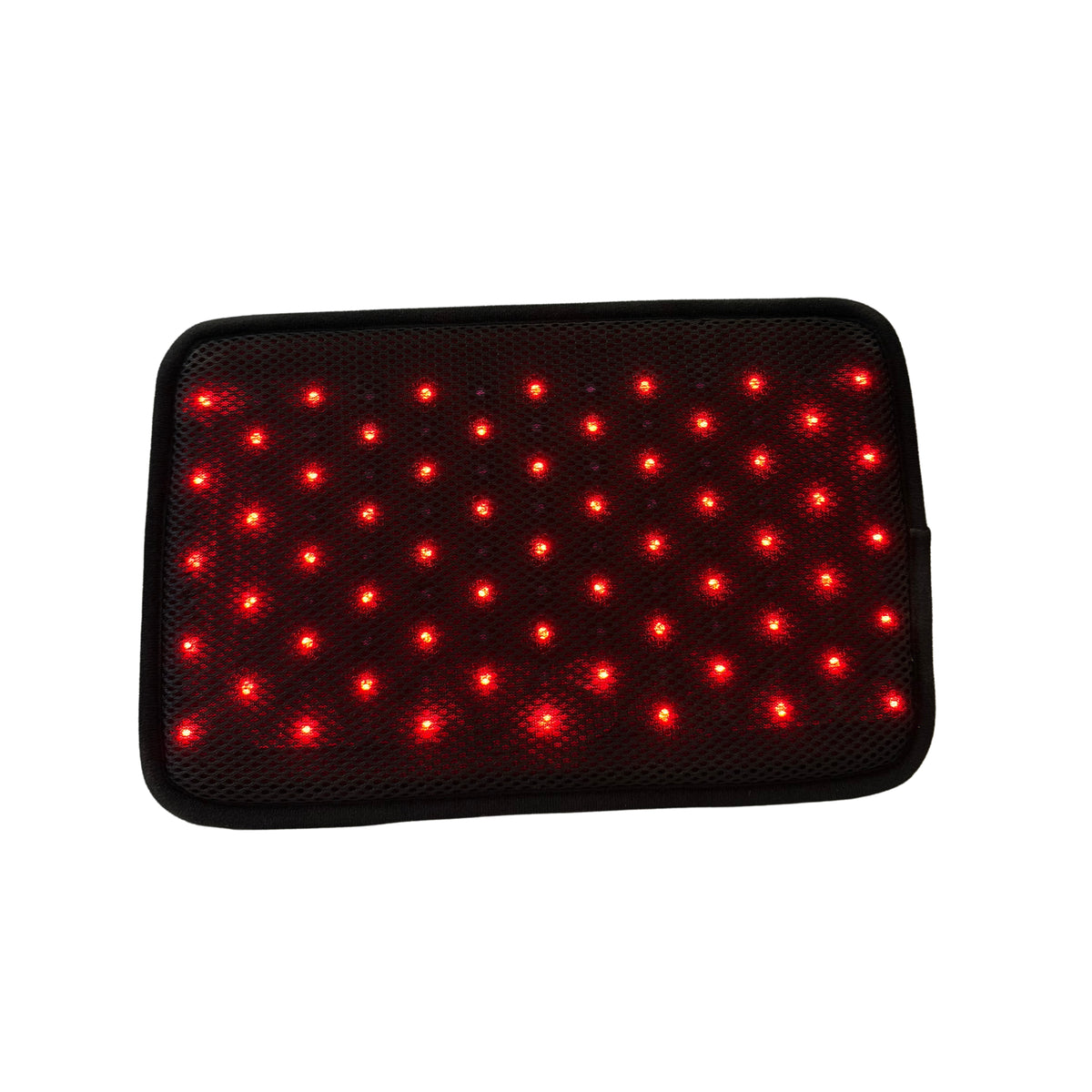
Therasage's Tri-Lite panel is one home format to explore. Compare its current specifications and manual with your goal; the general research above should not be read as a clinical trial of Tri-Lite.
Frequently asked questions
Is red light therapy the same as a heat lamp
No. The intended light exposure and purpose may be different. Check the wavelengths, intended use, and instructions rather than identifying a device by its color.
Will a higher powered device work faster
You cannot infer a result timeline from power alone. The complete exposure and the intended outcome matter. Follow the protocol for the specific device.
Is one device suitable for every goal
Do not assume so. Ask whether the device is designed for your intended use and what evidence supports that use.
How should I decide whether to try it
Identify one goal, review the relevant evidence, check suitability when needed, and compare practical features. A clear reason to use a device is more valuable than a long list of possible benefits.
We are grateful for a community that asks thoughtful questions. Understanding your options is a meaningful first step toward a routine that serves you.
References
1. American Academy of Dermatology. Is red light therapy right for your skin?
2. Huang YY, et al. Biphasic dose response in low level light therapy. Dose Response. 2009;7(4):358–383.
3. American College of Physicians. Nonradicular low-back-pain guideline summary.
4. FDA. Understanding device registration, clearance, and approval.