

Bringing a wellness device home should make your routine easier. Yet red light therapy can arrive with plenty of questions. How close should you sit? Should your eyes be covered? Does the same routine work for every panel?
You should not have to piece together an answer from conflicting social media posts.
To start red light therapy at home, choose a device suited to your goal and follow its specific directions for positioning, session duration, frequency, and eye protection. There is no single schedule that applies to all home devices. AAD guidance for home use.
Before you buy define the job
Think of the device as something you are asking to do a particular job. Is the intended area your face, one small area, or a larger body region? Will you use it seated, standing, or in another position the instructions permit?
These questions help narrow the format. They also prevent a common frustration: buying a product that sounds impressive but does not fit the way you want to use it.
If you are seeking help for a diagnosed condition, ask your clinician whether the intended use is appropriate. A product description should not be the source of your diagnosis.
Read these parts of the instructions first
Look for the intended use, warnings, setup diagram, treatment position, distance or contact requirements, session limits, and cleaning method.
If the manual is unclear, ask the seller to explain it before you purchase. Save a copy that matches your model. For Therasage, start with the user guides and confirm that the guide corresponds to the device you own.
Avoid copying a friend's schedule. Light output, treatment area, and use conditions can vary between devices. Research on photobiomodulation dosing illustrates why exposure parameters matter. Huang and colleagues.
Prepare a place where you can follow the directions
Choose a stable setup that lets you maintain the instructed position comfortably. Make sure you can reach the controls and stop the session without awkward movement.
If a stand or mounting accessory is required, use the approved configuration. Do not balance a device on improvised supports or modify its components to make it fit.
Think through the end of the session, too. Where will you place the device while you get up? Where will it be stored? Is cleaning simple enough to become part of the routine?
This preparation may feel ordinary, but ordinary details often decide whether a routine lasts.
Plan for eye protection and individual suitability
Follow the eye-protection instructions for the specific device. If protective goggles are required, sunglasses are not a substitute. Ask a dermatologist or other appropriate clinician about light-sensitive conditions or medications before use. AAD precautions.
Do not treat the absence of discomfort as evidence that any exposure is appropriate. If the instructions do not clearly address your intended use, obtain clarification rather than experimenting with longer sessions or closer positioning.
If you develop a concerning reaction, stop using the device and seek advice. Keep its model information and the details of your use available so a clinician can understand the exposure.
Make consistency practical
Choose a time you can realistically protect. Perhaps the setup works beside a chair you already use, or the session fits after an established evening task. The purpose is to reduce friction, not create an elaborate new ceremony.
Use the device's stated schedule. If you miss a session, return to the instructions; do not assume that doubling the next one will make up for it.
Keep a simple record:
What to record |
Example of useful information |
|---|---|
Device and setting |
Exact model and mode used |
Position |
Whether the instructed placement was followed |
Session |
Date and duration within the directions |
Goal |
The one outcome you are observing |
Response |
Comfort, skin response, or questions to discuss |
The record is for consistency and communication. It cannot establish that a change was caused by the device.
Give yourself a fair way to evaluate the purchase
Decide in advance what would make the device useful to you. That may include ease of use, comfort, and whether its intended benefit aligns with your goal.
For visible changes, compare photographs taken under similar lighting and without filters. Avoid adding several new skincare products or treatments at the same time if you want a clearer picture of what changed.
For discomfort or functional concerns, use your clinician's recommended way of tracking progress. A device should fit into that plan rather than pull you away from it.
Before buying, read warranty and return conditions. The ability to ask questions after purchase is part of the value of a home wellness product.
Exploring a Therasage option
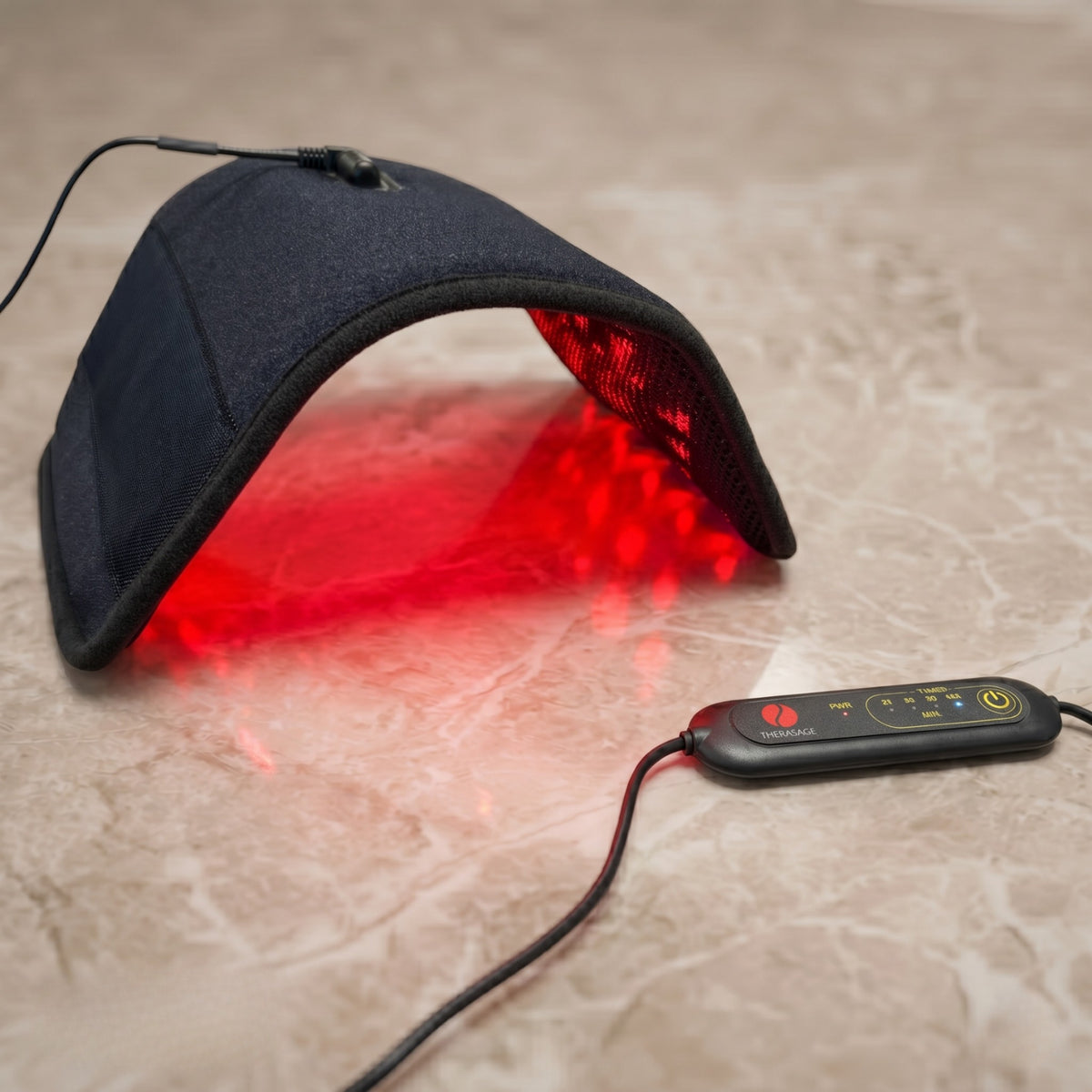
If a compact panel interests you, review the Thera Tri-Lite. Start with its actual intended use and instructions, then consider whether its format fits your space and routine.
Our aim is to help you make an informed choice. A question about positioning or suitability is always worth asking before you begin.
Frequently asked questions
How many minutes should I use red light therapy
Use the duration specified for your exact model and intended use. This article does not prescribe one duration for all devices.
Can I put skincare on before a session
Check both the device instructions and the guidance for your skincare products. Ask a dermatologist when you are unsure about a product or prescribed treatment.
Can I use two devices on the same area
Do not combine exposure schedules without appropriate guidance. Two individually described routines do not automatically establish a suitable combined routine.
What if a product says it is FDA registered
Registration does not establish FDA clearance or approval. Check the exact device and intended use if regulatory status is part of its sales claim. FDA explanation.
Thank you for taking the time to learn before you begin. Confidence comes from clear information and a routine you can follow comfortably.
References
1. American Academy of Dermatology. Red light therapy and home-use precautions.
2. Huang YY, et al. Biphasic dose response in low level light therapy. 2009.
3. FDA. Device registration versus clearance and approval.
4. Therasage. Tri-Lite product information and user guides.