

You have made room for red light in your week, but the advice online is all over the calendar: every day, three times a week, twice a day, or only after exercise. It is tempting to choose the most intensive schedule and assume more consistency must create more benefit.
There is no universal red light therapy frequency for every device and goal. Follow the instructions for the exact product, because wavelength, irradiance, distance, treatment area, session length, and intended use determine the exposure. Regular use may be needed for some studied outcomes, but more frequent or longer sessions are not automatically more effective. American Academy of Dermatology.
At Therasage, we want a light routine to feel clear and repeatable, not like a race to accumulate the most minutes.
Frequency is only one part of dose
“Ten minutes” sounds precise, but it says very little without the device. A mask sits close to the face. A panel may be used on the body or face at a stated distance. A clinical laser may treat small points with carefully measured energy. These formats can deliver very different exposures during the same number of minutes.
Researchers describe photobiomodulation using wavelength, power or irradiance, energy density, treatment area, distance, timing, and number of sessions. The treatment schedule is the final layer, not the whole dose. That is why a study’s calendar cannot be safely copied while ignoring its equipment and setup.
The American Academy of Dermatology notes that at-home devices vary and that studies test different devices for different amounts of time. Dermatologists still want clearer answers about the safest and most effective amount of light for different concerns. AAD guidance.
What repeated treatment studies actually show
For signs of skin aging, one controlled trial delivered 30 treatments over 15 weeks and reported improvements in selected wrinkle, roughness, participant-satisfaction, and collagen-density outcomes. That schedule belongs to the tested light sources and protocol; it does not establish “three times weekly” as the ideal formula for every home device. Wunsch and Matuschka, 2014.
Exercise research is different again. A review of 39 trials found some favorable effects on muscular performance and fatigue, but the protocols varied widely, and most positive findings involved light delivered before exercise. Evidence certainty ranged from very low to moderate. A skincare calendar cannot be borrowed for a recovery goal, and vice versa. Vanin and colleagues, 2018.
The useful lesson is not a magic weekly number. It is that consistency only makes sense inside a tested or manufacturer-specified exposure.
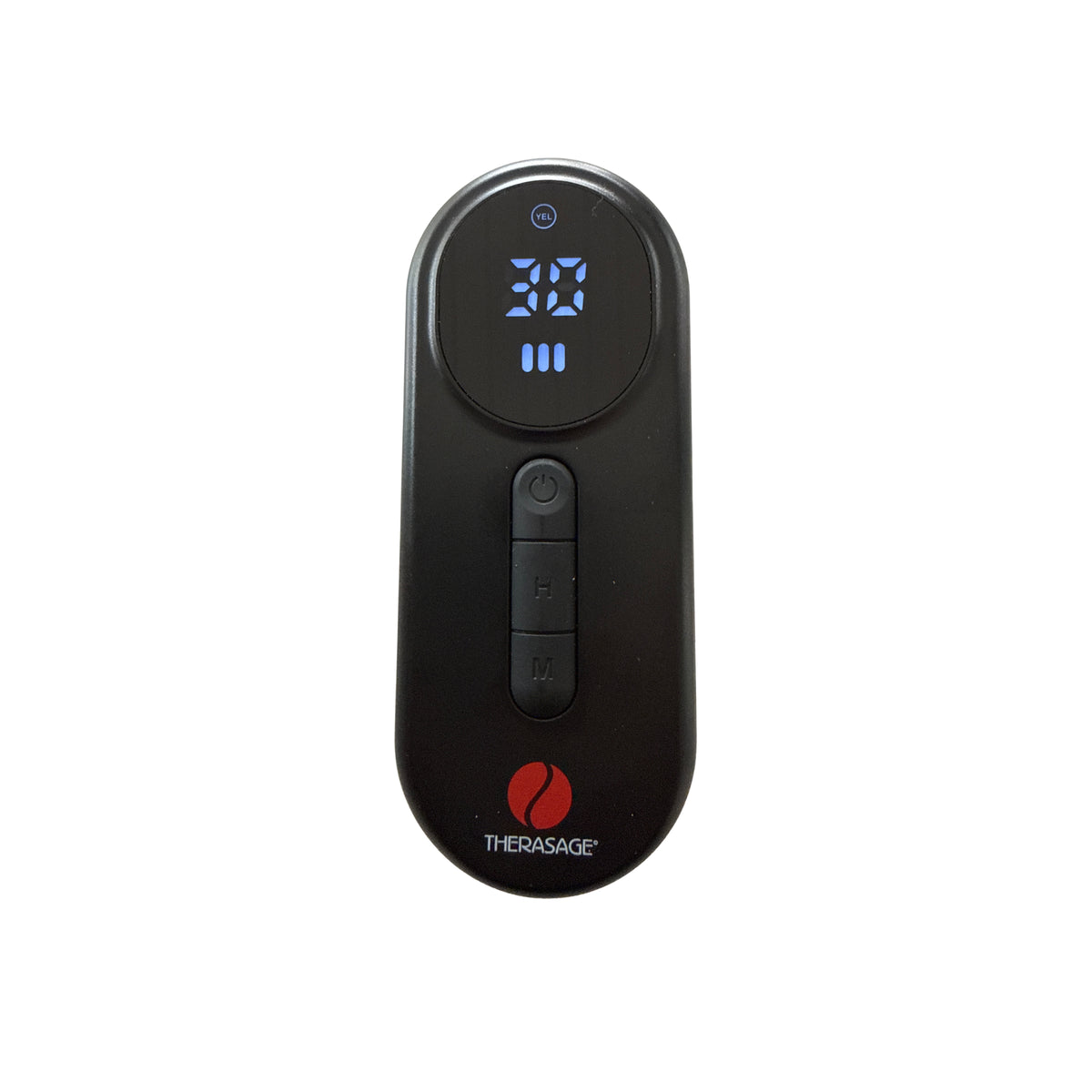
Begin with the exact manual
Before your first session, identify the precise model and current user guide. Confirm:
- which light mode to select;
- the intended distance or whether the device touches the body;
- session duration for that treatment area;
- recommended starting intensity;
- eye-protection instructions;
- cautions involving medications, health conditions, or treatment areas;
- whether the device should be used on bare skin or can be used through clothing.
Do not combine the maximum time, intensity, and frequency merely because each is available. A range of settings gives you options; it is not an invitation to select every maximum at once.
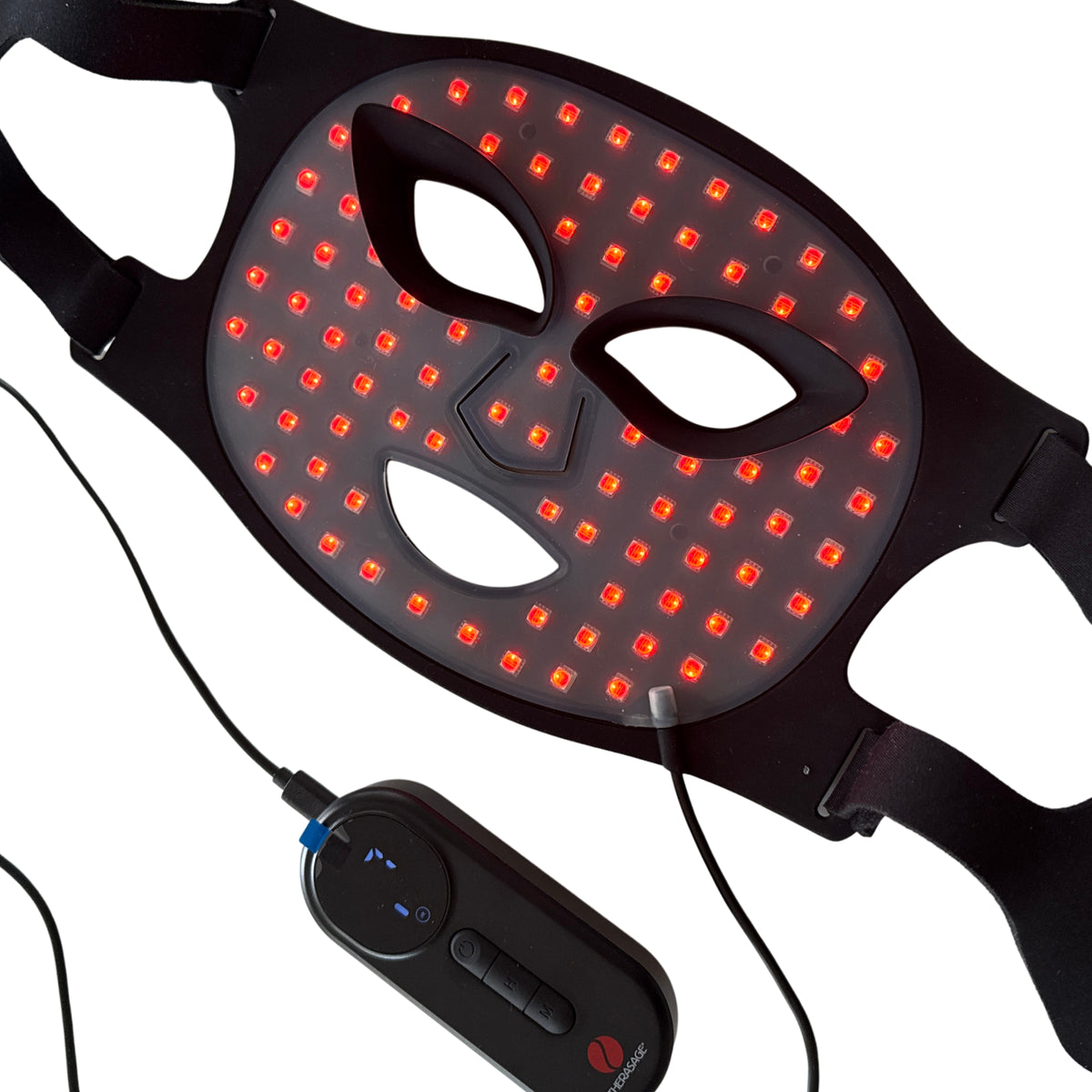
The current Thera Tri-Lite product page describes a flexible 9 by 13.5 inch red and near-infrared LED panel for targeted face or body use. Its page currently gives area-specific session guidance and recommends gradual acclimation above the neck. The TheraGlow Mask2Go page describes a face-contouring mask with adjustable modes, intensity, and session control. Their schedules should not be assumed identical simply because both include red light.

Build a routine you can interpret
Choose one goal and one treatment area first. If you use the device for several areas in the same day, the total routine becomes more complex, and it may be harder to notice irritation or identify which use affected how you feel.
Keep the settings stable long enough to assess the routine on the timeline relevant to your goal. For skin appearance, use standardized photographs rather than checking a different mirror every hour. For exercise recovery, record soreness or function at predefined times. These observations are personal feedback, not a clinical trial.
Avoid changing your skincare, workout, sleep schedule, and light routine all at once. When everything changes, every good day can be credited to the newest purchase and every difficult day becomes confusing.
When to pause instead of adding sessions
Temporary irritation or mild pain can occur with red-light devices. Stop and review the instructions if your skin becomes persistently red, irritated, blistered, or unusually uncomfortable, or if you develop headache or visual symptoms. Do not “make up” a missed session by doubling the next one.
Talk with a dermatologist or other appropriate clinician before home use if you have lupus or another photosensitive condition, take a medication that increases light sensitivity, have a suspicious skin lesion, or are treating a diagnosed medical condition. The AAD also advises choosing a device designed for the intended concern and using eye protection when directed.
FDA-cleared does not mean “works at any dose.” The AAD explains that clearance reflects a low-risk regulatory determination, not a guarantee of effectiveness for every buyer or schedule.
A weekly plan without a streak mentality
Put sessions on days you can use the device exactly as directed. Leave enough time to clean it, inspect your skin, and store it properly. A calendar that you can follow calmly is more useful than an aggressive plan you abandon after a week.
If the routine becomes uncomfortable or impractical, return to the manual rather than improvising a shorter distance or longer weekend session. If you are not seeing the hoped-for result after the appropriate period, ask whether the device, diagnosis, or goal needs reconsideration instead of automatically adding exposure.
Frequently asked questions
Can I use red light therapy every day
Some devices may provide daily-use instructions, while others use a different schedule. Daily use is not a universal recommendation. Follow the current guide for your exact model and treatment area.
Is twice a day better than once
Not necessarily. More frequent exposure may only increase total dose and the chance of irritation. Do not add sessions unless the product instructions or a qualified clinician support that schedule.
What happens if I miss a day
Simply return to the normal schedule. Do not double the next session. Red light is not a medication dose to “catch up,” and consistency does not require perfection.
How long before I see results
Timelines differ by goal, person, device, and outcome. Some skin studies used repeated treatment over weeks; exercise studies may measure responses over hours or days. Not everyone responds.
Your next step
Find the guide for the device you actually own and write down four details: mode, distance or contact, session length, and weekly schedule. If you are still choosing equipment, compare the current Tri-Lite panel and Mask2Go by treatment area and routine—not by assuming the highest frequency is best. Therasage can answer operating questions; medical suitability belongs with your clinician.
References
1. American Academy of Dermatology. Is red light therapy right for your skin?. Updated September 13, 2024.
2. Wunsch A, Matuschka K. Controlled trial of red and near-infrared light for fine lines, wrinkles, skin roughness, and collagen density. Photomedicine and Laser Surgery. 2014;32:93–100.
3. Vanin AA et al. Photobiomodulation for muscular performance and fatigue. Lasers in Medical Science. 2018;33:181–214. Systematic review and meta-analysis.
4. Therasage. Thera Tri-Lite panel, TheraGlow Mask2Go, and user guides. Checked September 18, 2026; product and operating sources only.