

An aching knee can make the first steps feel reluctant. Stiff fingers can turn buttons and jars into morning obstacles. Reaching for warmth is intuitive—but joint pain is a symptom, not one condition, and the same response does not fit every joint.
Comfortable heat may temporarily reduce the feeling of stiffness and make gentle movement easier, particularly with chronic, non-acute joint symptoms. It does not rebuild cartilage or establish the cause of pain. Avoid treating a suddenly hot, red, markedly swollen joint with more heat before it has been assessed, especially if you have fever or feel unwell. NHS arthritis guidance.
Think of heat as a possible bridge to function, not proof that a joint has been healed.
Match the tool to the pattern
Heat may be a reasonable comfort option when a joint feels stiff after rest, surrounding muscles feel guarded, and gentle movement usually improves the sensation. It may help before a walk, mobility routine, hand exercise, or physical-therapy session.
Change the plan when pain follows a new injury, swelling is rapidly increasing, the joint is visibly deformed, or you cannot bear weight. A hot, red, acutely painful joint can occur with infection or crystal arthritis such as gout and warrants prompt medical advice. Heat should not delay diagnosis.
Numbness also changes the risk. If diabetes, neuropathy, spinal injury, stroke, medication, or another condition reduces temperature sensation or your ability to move away, home heat can burn skin before it feels excessive.
What guidelines say and what that means
The 2019 American College of Rheumatology/Arthritis Foundation osteoarthritis guideline conditionally recommended thermal interventions for knee, hip, and hand osteoarthritis. A conditional recommendation reflects limited evidence and the need to weigh preferences, burden, and individual circumstances; it is not a guarantee that heat will work for everyone. 2019 ACR/AF guideline.
The ACR announced updated osteoarthritis guidance on September 14, 2026. Its public summary continues to emphasize exercise, self-management, weight management when appropriate, and individualized shared decision-making as the foundation of care. ACR 2026 update.
That context matters: warmth may help a person start moving, but it is not a substitute for the broader plan that maintains strength and function.
Choose a form of heat you can control
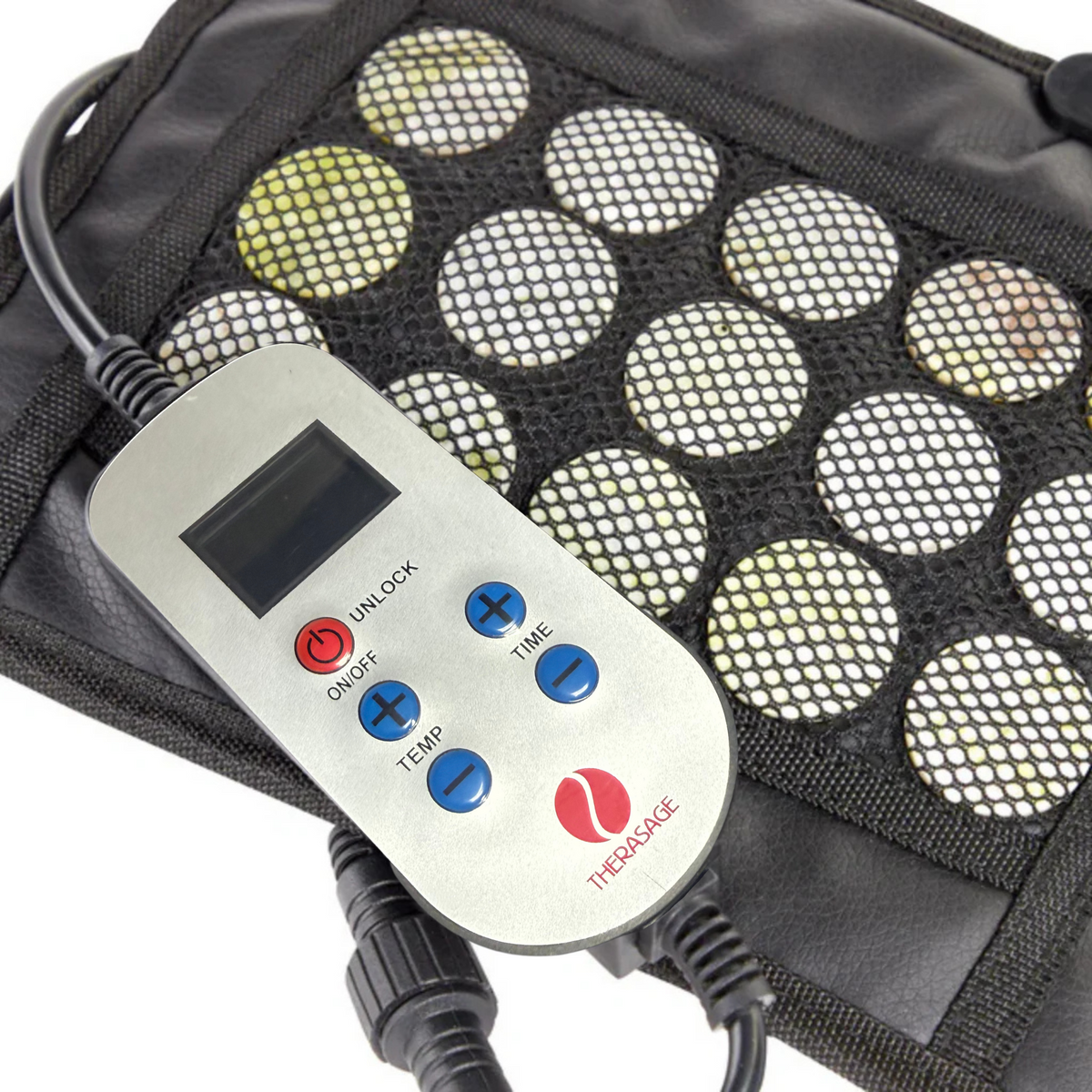
Options include a warm shower, warm bath, moist towel, microwavable pack, electric heating pad, or model-specific infrared pad. The safest choice is one with clear instructions, even contact, a controllable temperature, and a timer appropriate to the intended use.
Use comfortable—not punishing—heat. More temperature does not prove deeper or better treatment. Place the product only where the manufacturer permits, avoid trapping heat under your body, and check the skin during and after use. Do not add creams or liniments unless both labels say the combination is safe.
A full bath heats more than one joint but also changes whole-body temperature and can increase dizziness. Take extra care when standing, and ask a clinician about bathing safety if you have cardiovascular instability, fainting, pregnancy, or mobility limitations.
Pair warmth with purposeful movement
Decide what the heat session is for. If your goal is easier hand motion, follow warmth with comfortable opening, closing, and task practice. For a stiff knee, try a short walk or clinician-prescribed exercise while the joint feels more willing.
The movement should remain controlled. Heat can reduce discomfort temporarily and make it easier to overdo a task. A quieter pain signal does not make an unstable joint stable or repair a torn structure.
Track function: How long did it take to get moving? Could you walk, dress, cook, or complete therapy more comfortably? A dramatic feeling during the session matters less than whether the routine improves a meaningful activity without causing a flare later.
Infrared heat is still heat with product specific questions
Infrared describes electromagnetic wavelengths used to deliver energy and warmth; “infrared” alone does not establish a superior clinical outcome. Compare the product’s actual design, temperature control, contact, coverage, timer, materials, instructions, and relevant evidence.
The current Therasage Healing Pad guides describe Mini Square and Small pads that use full-spectrum infrared heat and jade stones. The guides instruct users to place a thin cloth between the stones and skin, avoid folding or overlapping, begin at a low setting, and limit initial sessions to 30–60 minutes. They also advise against sleeping on the pad and list populations who should consult a healthcare provider.
The current TheraPro is different: it combines heat with red light, PEMF, TENS, gemstones, and earthing features. Evidence about ordinary thermal interventions cannot identify the effect of this multi-modal product. Its TENS and PEMF functions have separate cautions and should not be treated as interchangeable with heat.
When heat is not enough
Joint pain that persists, recurs, wakes you, or changes walking or grip deserves assessment. A clinician may consider osteoarthritis, inflammatory arthritis, tendon or bursa problems, injury, infection, referred pain, or other causes.
Seek urgent care for a suddenly red, hot, swollen joint; fever or chills; severe pain after trauma; deformity; inability to bear weight; or joint symptoms with chest pain, breathing difficulty, or a serious allergic reaction. Do not repeatedly numb the warning with heat.
Frequently asked questions
Does heat reduce joint inflammation
Heat may change comfort and local circulation, but a warm feeling is not evidence that the disease process has been reduced. Claims depend on the condition, intervention, and measured outcome.
Is moist heat better than dry heat
People may prefer one, but neither is universally superior for every joint. Safety, temperature, contact, duration, and your response matter more than a broad category label.
Can I use heat every day
Some people use comfortable heat regularly, but the device instructions, skin response, sensation, health conditions, and cause of pain determine whether that is appropriate. Daily use should not replace assessment of worsening symptoms.
Should I use heat before or after exercise
Heat before movement may make stiffness feel easier; after activity it may provide comfort. Neither timing is mandatory. Avoid using symptom relief to push through an injury.
Your next step
Name the activity you want warmth to support, then choose a low, comfortable setting and follow the exact timer and barrier instructions. Review the current Therasage Healing Pad guides before use. If a joint is newly hot, swollen, unstable, or steadily worsening, make the next step an assessment rather than a longer heat session.
References
1. Kolasinski SL et al. 2019 ACR/Arthritis Foundation Guideline for Osteoarthritis of the Hand, Hip, and Knee. Arthritis Care & Research. 2020;72:149–162.
2. American College of Rheumatology. Updated osteoarthritis guidance. September 14, 2026.
3. NHS. Arthritis. Reviewed January 19, 2026.
4. Arthritis Foundation. When joint pain means it is time to see a doctor. Updated 2025.
5. Therasage. TheraPro and Healing Pad user guides. Checked September 18, 2026; product and operating sources only.